5 min read
Integrating AI into the Creative Process
Integrating AI into the Creative Process: Speed Without Sacrificing Craft
IA


Lexi Wang
AI Creative Specialist & Digital Designer
I help teams ship products faster, with research backed design that keeps users coming back.
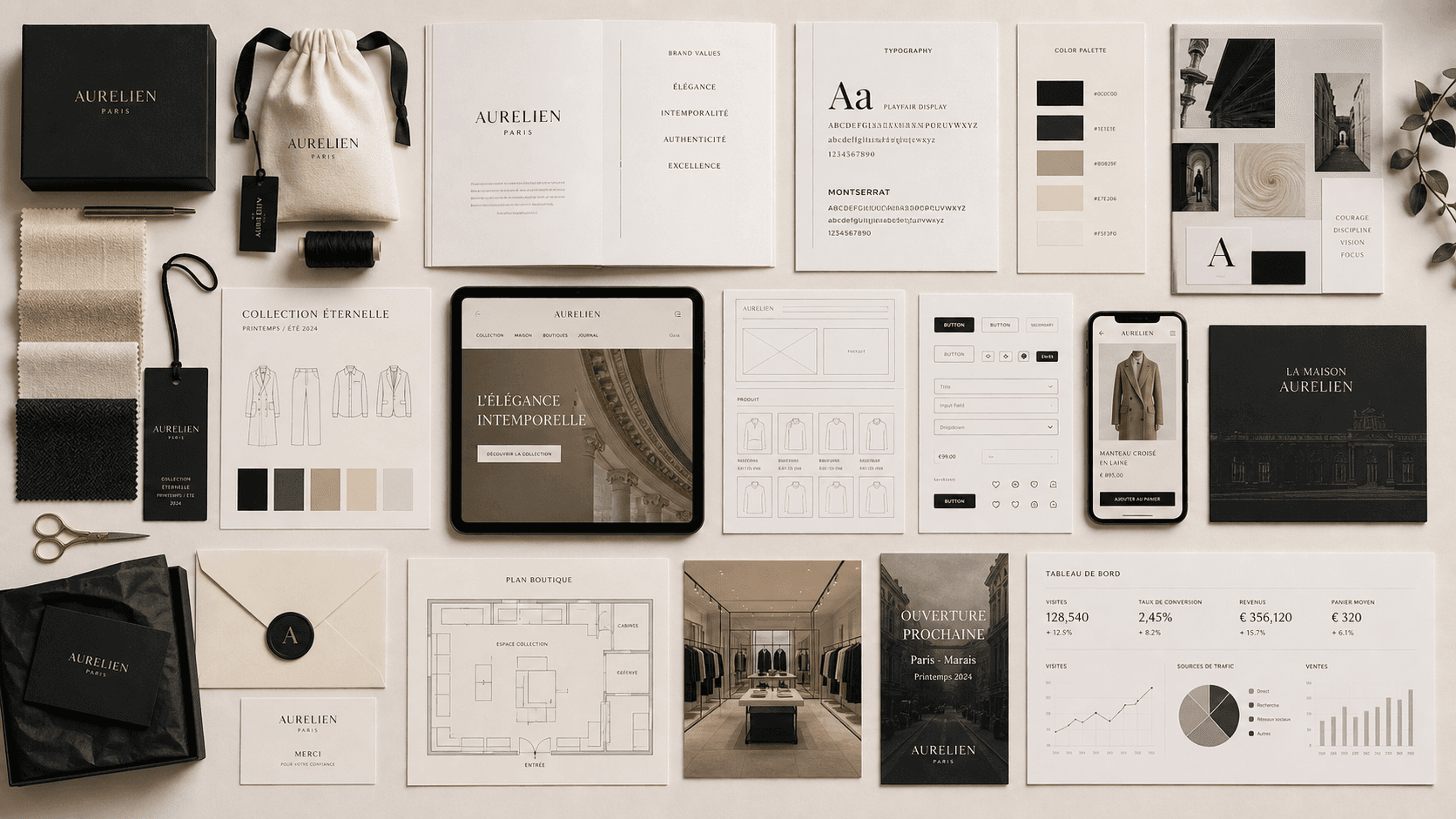
Generative AI has fundamentally shifted how we approach visual creation, but its real power lies in how seamlessly it integrates into a human design workflow. Rather than replacing artistic vision, AI acts as a high-speed engine for exploration, allowing us to push creative concepts further and faster than ever before.
By combining Gen-AI tools with traditional design disciplines like 3D modeling in Cinema 4D and responsive UI in Webflow we can bridge the gap between rapid ideation and high-fidelity production.
How AI elevates design workflows
It generates complex textures and atmospheric lighting cues for 3D environments.
It enables rapid prototyping of visual variations before committing to final renders.
It streamlines repetitive assets, allowing more time to focus on strategic layout and detail.
It accelerates initial moodboarding and concept exploration.
AI in practice
In my own workflow, prompt engineering isn't about letting a model decide the outcome; it's about steering parameters to capture a specific mood, material, or lighting style. I take those generated visual directions into Cinema 4D or Photoshop to build consistent, high-impact brand worlds.
The human direction
AI provides infinite options, but design requires decisive choices. The value of a modern creative isn't just generating images it's curate, refine, and align every element with brand goals and commercial strategy.